
Scroll

What is Remediation as a Service (RaaS)
QMV’s Remediation as a Service (RaaS) allows organisations to utilise the optimum combination of people, process and technology.
Specialised remediation experts with developed processes, calculation models and the right technology can fast-track remediation work, deliver quality outcomes and reduce costs.
QMV are leaders in remediation
As most organisations don’t plan for remediation, their approach is often disjointed, reactive and inefficient. QMV are leaders in remediation. We understand the importance of accuracy, timeliness and communication. We have performed hundreds of data remediation projects utilising an innovative and flexible approach. We promise high quality outcomes delivered by industry experts.
Featured

QMV are experts in remediation and known for delivering on complex requirements. Our team includes specialist consultants with the hybrid technical and analytical skills required for remediation.

Don’t start from scratch each time. QMV have developed approaches to analysis, documentation and calculation that drive efficiency and can fast-track any remediation project.

QMV’s data quality software Investigate provides a remediation-source-of-truth; allowing you to monitor progress, calculate compensation and utilise multiple reporting lenses throughout the remediation process. The data quality modules of Investigate can also be used to implement detective data quality checks to quickly identify any issue recurrence.

Remediation components
DOWNLOAD BROCHURE

You might also be interested in…
Blog

The Prudential Standard CPS 230 sets out stringent requirements for operational risk management in the superannuation industry. By implementing a robust framework and adhering to these requirements, APRA-regulated entities can effectively manage operational risks, maintain the continuity of critical operations, and enhance their resilience to disruptions. This, in turn, contributes to the stability and integrity of the superannuation industry, promoting trust and confidence from customers, stakeholders, and regulators alike

Often, large scale data activities like generating annual statements requires data being transferred between systems and external providers. This can leave superannuation administrators exposed if they are experiencing data quality issues leading to loss of reputation and increased rectification costs.

Most organisations don’t plan for remediation, their approach is often disjointed, reactive and inefficient. As leaders in remediation, we understand the importance of accuracy, timeliness and communication. At QMV, we believe specialised remediation experts with developed processes, calculation models and the right technology can fast-track remediation work, deliver quality outcomes and reduce costs.

A high-performance mentality that promotes collaboration and information exchange is fundamental to realising a fund’s key objectives like developing tailored strategies and products, better meeting member expectations and various uplifts across automations, data quality, emerging technologies and compliance.

There has never been more reliance and importance on data to provide administration of consumer products effectively and efficiently. The Optus data breach is a significant and public example of data may be used for fraudulent purposes, however, there is an ongoing risk that must be mitigated to ensure that, regardless of scale or publicity, consumer interests are protected as much as possible.

On 27 September 2022 ASIC released Regulatory Guide 277 Consumer Remediation (RG 277) which is intended to supersede the existing guidance in Regulatory Guide 256 Client review and remediation conducted by advice licensees (RG 256). RG 277 is a significant expansion of ASIC’s remediation guidance and now applies to all Australian Financial Services (AFS) and Australian Credit licensees, including superannuation trustees.
It is important to note the guidance within RG 277 applies to all remediation activity from 27 September 2022; however licensees may still utilise RG 256 for any remediation programs already underway at this date.

As the industry moves away from ad-hoc or project-based optimisations to more holistic and integrated digital capability, the fund needs ‘mastermind’ thinkers on the transformation program ideally with the trifecta of technology, data and superannuation pedigree.

Investigate data quality management platform begins transforming customer and organisation data quality on day-one, enabling financial institutions in their pursuit of data-driven business growth.
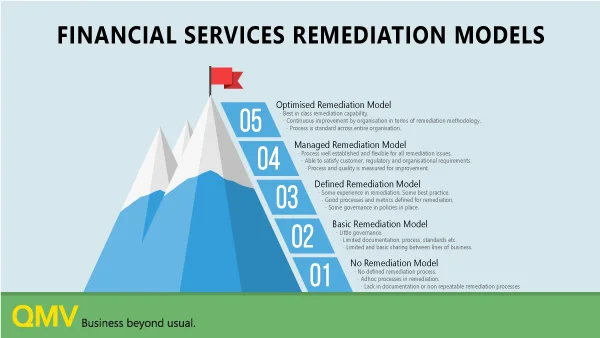
The ability to identify, scope and remediate customer account errors has become a key regulatory item in financial services. These issues can result in breaches and are thus “non-negotiable” with regulators.
Depending on the scale of remediation events, personnel and funding tends to swell and subside. The deeper you look, the more people involved, the more money you throw at it, the more errors you will find.
Customers expect financial institutions to correctly calculate their financial position and to know exactly who they are. No one wants to be at a loss, especially when it is someone else’s fault. A miscalculation, an administrative mistake, lack of insurance coverage, or other errors, can cause customers to feel wronged, robbed, not cared about or even marginalised.
The Hayne Royal Commission raised a question mark over the quality of customer data held by financial institutions and emphasised that action after the fact via costly data remediation events was not good enough. In a post royal commission world, it is important to know why customer data is so prone to error.

At QMV, we believe that robust data quality management practices not only increase member engagement but also help solidify members’ trust in the company. Recognising a growing demand for more control and customisation around reporting, QMV are very pleased to present the latest version of Investigate featuring some significant enhancements that reaffirms our commitment to meeting our customer’s needs for superior data quality management.

Even though reputable third-party providers have data governance frameworks and performance metrics in place, it is important to recognise inherent bias and that data quality governance is not often their core capability. Data quality must be independently and routinely monitored and validated. If access to the data can be obtained, an independent audit can often uncover widespread error for which regulatory breach and costly remediation is a legitimate risk.

Trustees regularly put their administration up for tender and a successful bid often results in a fund migration. This may be between administrators or just platforms within an administrator. Each migration is unique and presents its own set of challenges and disruptions…

The digital age of customer information opens vast opportunities for financial institutions from providing tailored solutions, omnichannel experience and innovative avenues to communicate with customers.

The Hayne Royal Commission rightfully and very publicly raised a question mark over the quality of customer data held by financial institutions. It also highlighted that data remediation – the cleansing, organisation and migrating of data – after costly and often lengthy investigation, warrants greater focus.

Data remediation activities in financial services will never cease. The best that can be achieved is significantly reducing the frequency and scope of remediations over time. This paper is a brief discussion of the triggers, execution and controls associated with data remediation events and can be applied to superannuation, wealth management, banking and insurance.

Many data remediation programs are only started after an issue being brought to light by a customer or group of customers: often upon investigation, this gives rise to a slew of other issues that may have been impacting thousands of customers across several years.

Tom Seel is the product lead at QMV and has been involved with Investigate since its inception. He is passionate about data and data-centric projects having been involved in numerous data migration and data remediation projects throughout the superannuation industry.

While the Royal Commission spotlight has focused heavily on the major banks, the non-bank owned mass of the superannuation industry must also adjust to the climate of change with a resolve for improvement.

The phrase “Offence sells tickets, but defence wins championships” has been used by many great coaches across the sporting landscape. In recent times, this concept has spread from the sporting field into the white-collar world.

“If we had known THAT, we would have made a very different decision” – a data quality story I hear all too often when working in superannuation and wealth administration...
Data remediation activities in financial services will never cease. The best that can be achieved is significantly reducing the frequency and scope of remediations over time. Remediation does not always indicate a negative financial impact to a customer, but it does indicate a negative financial impact to the organisation.